
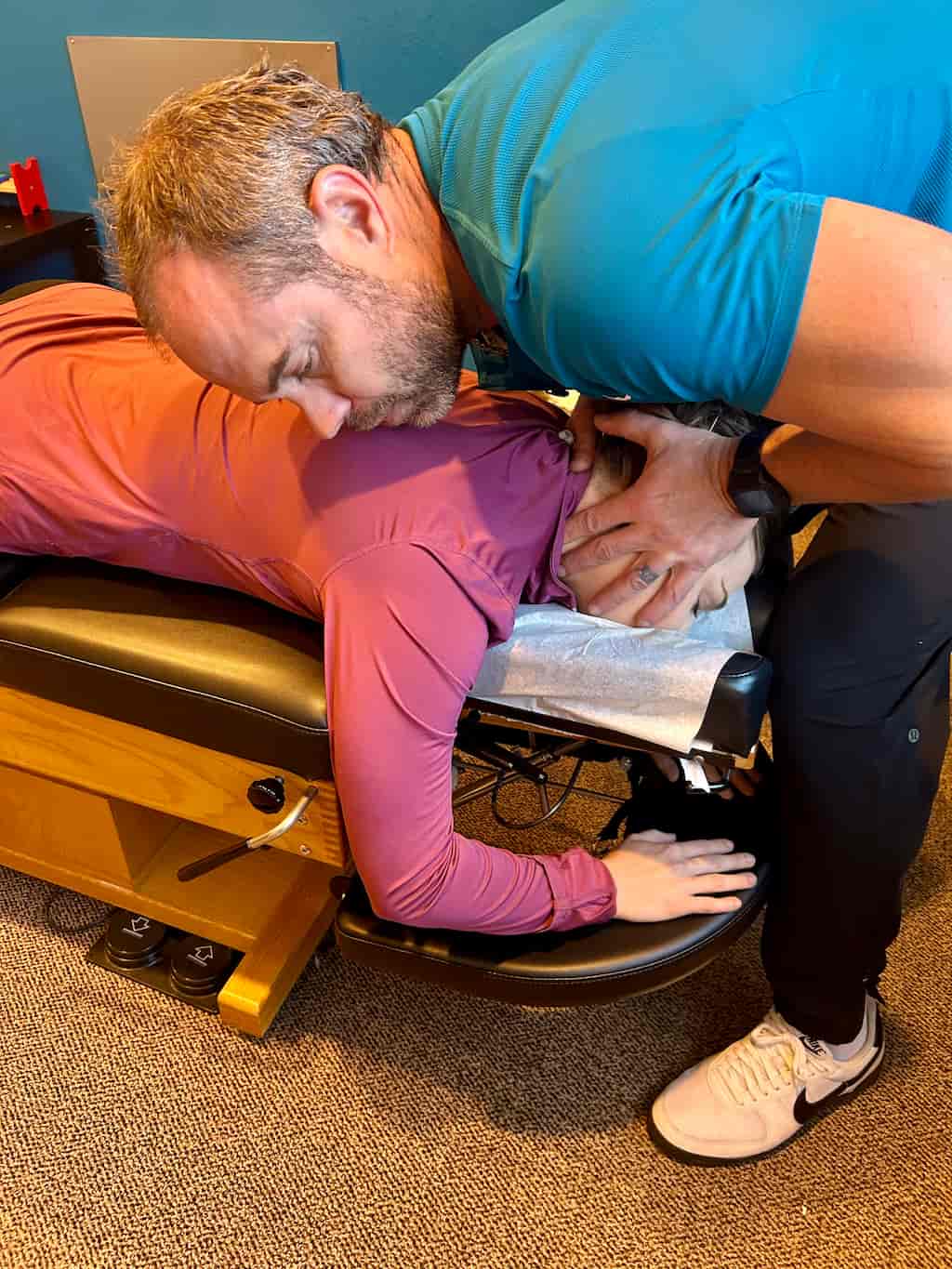
Dizziness is a broad term for feeling lightheaded, woozy, or unsteady, while vertigo is a specific type of dizziness where you feel like you or the room is spinning. The distinction matters because it points to different causes, and some forms of both, especially when they trace back to the upper neck, can respond to chiropractic care. At RAK Chiropractic in Rochester, evaluating the cervical spine is part of getting to the root of these symptoms.
Dizziness and Vertigo Are Not the Same Thing
People use these words interchangeably, but they describe different sensations. Getting the difference straight is the first step toward understanding what is going on.
Dizziness is the umbrella term. It covers feeling lightheaded, faint, woozy, or generally off balance. You might feel like you could pass out or like the floor is not quite steady.
Vertigo is more specific. It is the sensation that you or your surroundings are spinning or moving when nothing actually is. Vertigo is a type of dizziness, but not all dizziness is vertigo.
What Causes Dizziness?
Dizziness has a long list of possible causes, which is part of why it can be tricky to pin down. Some are simple and some need medical attention.
Common causes include dehydration, low blood sugar, standing up too fast, certain medications, and anxiety. These tend to produce that lightheaded, faint feeling rather than spinning.
Because dizziness can also point to issues with blood pressure or other systems, persistent or unexplained dizziness is worth discussing with a doctor to rule out underlying causes.
What Causes Vertigo?
True spinning vertigo usually comes from one of a few sources, and many of them involve the systems that control your balance.
Inner Ear Issues
The inner ear houses your balance system. A common cause of vertigo is BPPV, where tiny crystals in the inner ear shift out of place and send false signals about movement.
The Upper Neck Connection
This is the one many people never hear about. Your upper cervical spine sends your brain constant information about the position of your head.
When the top of your neck is misaligned or restricted, that information can get distorted. The brain receives mixed signals from the neck and the inner ear, and the result can be a spinning or off-balance feeling. This is called cervicogenic dizziness.
Why the Neck Connection Gets Overlooked
Most people with dizziness or vertigo think first of their ears, and for good reason. But the neck is a frequent and underappreciated contributor.
If your dizziness started after a neck injury, a car accident, or alongside neck pain and headaches, the cervical spine is a strong suspect. The connection between the upper neck and balance is well established.
This is where a chiropractic evaluation adds value. Checking the upper cervical spine is something many standard workups skip entirely. Our vertigo and dizziness relief page explains our approach.
How Chiropractic Care May Help
When dizziness or vertigo traces back to the upper neck, chiropractic care can address the source rather than just the symptom.
Upper Cervical Focus
Dr. Ryley Layden is trained in upper cervical technique, among others. Gentle, precise adjustments to the top of the spine can restore proper alignment and help the brain receive accurate signals about head position.
A Root-Cause Approach
RAK Chiropractic is built around finding the actual cause of a problem rather than masking it. For balance complaints connected to the neck, that means evaluating the cervical spine carefully before deciding on a plan. You can read more about our chiropractic care here.
Honest Expectations
Not every case of dizziness or vertigo is a neck problem, and we will tell you if your situation needs a different kind of care. The goal is to figure out what is actually going on and point you in the right direction.
When to See a Doctor First
Some dizziness and vertigo symptoms need medical evaluation before anything else. Get prompt medical attention if your dizziness comes with chest pain, severe headache, difficulty speaking, weakness on one side of the body, or fainting.
These can signal serious conditions that require immediate care. Once those are ruled out, chiropractic care may be a good fit for ongoing, neck-related symptoms.
Getting Answers in Rochester
If you have been dealing with dizziness or vertigo and no one has looked at your neck, you may be missing part of the picture. The upper cervical spine is a real and treatable contributor for many people.
An evaluation is the way to find out whether your symptoms are connected to your neck. For a lot of Rochester patients, that answer brings real relief.
Tired of feeling dizzy or off balance? Contact RAK Chiropractic in Rochester at 507-208-4305 or schedule online.