TMJ Pain Relief in Rochester, MN
TMJ pain affects far more than your jaw. It can drive headaches, neck tension, and daily discomfort that compounds over time. At RAK Chiropractic, Dr. Ryley and Dr. Katie address the structural contributors to TMJ dysfunction with the same individualized approach they bring to every condition.
More Than Just a Jaw Problem
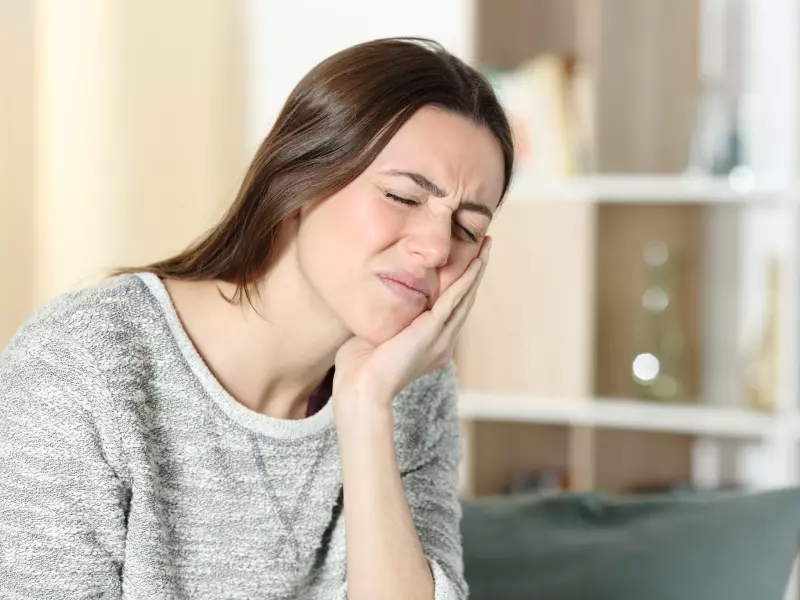
The clicking when you chew. The jaw that aches by the end of a long day. The tension headaches that radiate from the temples. TMJ dysfunction is more connected to the rest of the head and neck than most treatments acknowledge.
The jaw and cervical spine share nerve pathways, muscular connections, and postural relationships. Dysfunction in one almost always contributes to problems in the other. Many TMJ patients have been treating the jaw in isolation for years without anyone evaluating the cervical component driving a significant portion of their symptoms.
The jaw and cervical spine share nerve pathways, muscular connections, and postural relationships. Dysfunction in one almost always contributes to problems in the other. Many TMJ patients have been treating the jaw in isolation for years without anyone evaluating the cervical component driving a significant portion of their symptoms.
What Causes TMJ Dysfunction
- Tooth grinding or clenching placing chronic mechanical stress on the joint
- Forward head posture altering the alignment relationship between the skull and jaw
- Upper cervical dysfunction affecting the muscles and nerves shared with the jaw
- Trauma to the jaw or neck from accidents or sports impacts
- Chronic stress driving ongoing tension in the jaw, neck, and shoulders

How RAK Chiropractic Helps
Dr. Ryley and Dr. Katie evaluate both the TMJ and the cervical spine to address the full picture.
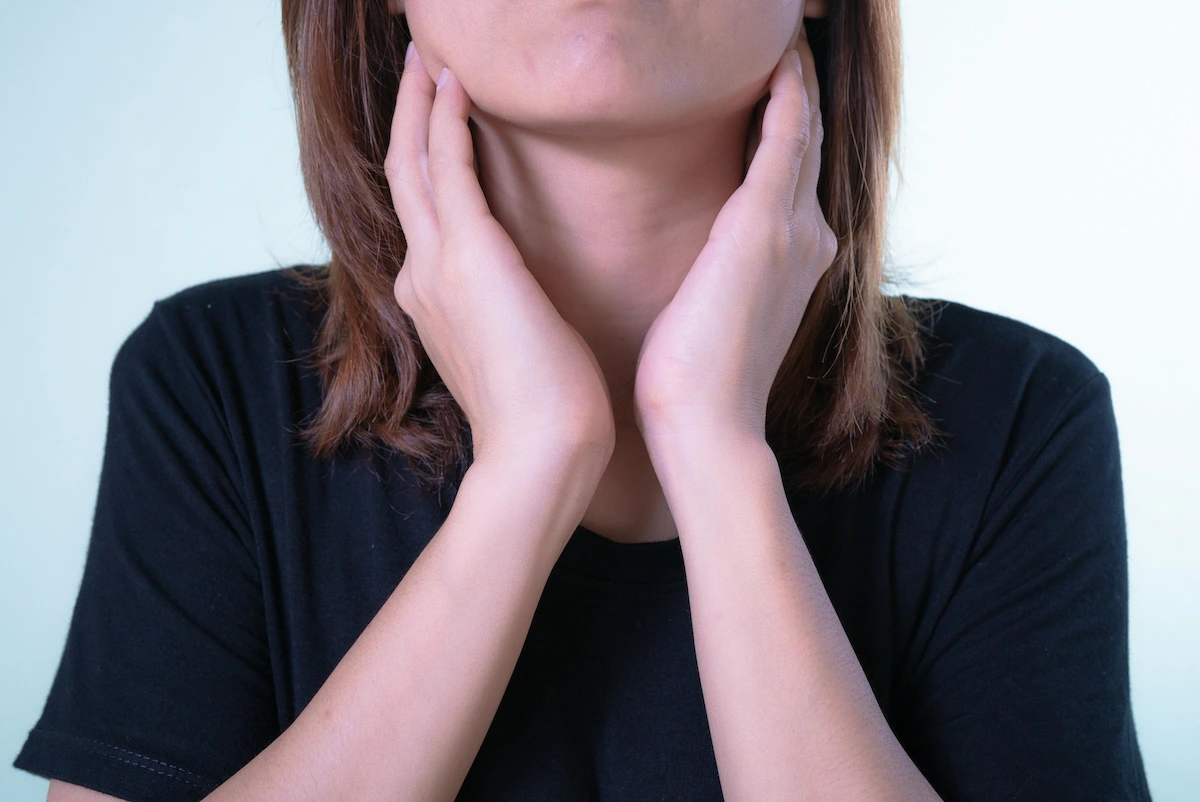
Upper cervical adjustments at C1 and C2 reduce the joint restriction and nerve irritation that contributes to TMJ dysfunction and the headaches that come with it. Direct soft tissue work on the masseter, temporalis, and surrounding muscles addresses the tension maintaining the dysfunction. For the fascial component, Active Release Technique provides precise release along the full pattern of involved tissue.
Frequently asked questions
Can a chiropractor help with TMJ?
Yes. Chiropractic addresses two of the primary contributors to TMJ dysfunction: upper cervical restriction and the muscular tension patterns in the neck and jaw. Many patients see significant improvement in jaw pain, clicking, and associated headaches.
Will I need to see a dentist as well?
Depending on findings, co-management with a dentist may be appropriate, particularly if bite alignment or a night guard is part of the picture. The doctors will advise accordingly.
How long before I notice improvement?
Many patients notice improvement in jaw tension and associated headaches within the first several visits as the upper cervical component is addressed.