Scoliosis is a sideways curve of the spine that can show up in childhood, adolescence, or adulthood. Chiropractic care does not straighten a scoliotic spine, but it can help manage the discomfort, stiffness, and movement limitations that often come with it, and it supports better function at any age. At RAK Chiropractic in Rochester, care is tailored to the person and their specific curve.
What Scoliosis Actually Is
A healthy spine has natural front-to-back curves, but it runs fairly straight when you look at it from behind. Scoliosis is a sideways curve, often shaped like a C or an S.
The curve can be mild or pronounced, and it can appear at different points along the spine. Many people have a small curve and never know it, while others have curves significant enough to affect posture and comfort.
Scoliosis is measured by degree of curvature. Mild curves are usually monitored, moderate ones may need active management, and severe cases sometimes require medical intervention. Knowing where a curve falls matters for deciding what to do about it.
When Scoliosis Shows Up
Scoliosis is not just a childhood condition, though that is when it is most often caught.
Adolescent Scoliosis
The most common form appears during the growth spurts of adolescence, often between ages 10 and 15. This is why school screenings and pediatric checkups look for it. Curves can progress during rapid growth, so catching them early allows for closer monitoring.
Adult Scoliosis
Adults have scoliosis too. Some carried a curve from adolescence into adulthood, while others develop it later as the spine changes with age and the discs and joints wear. Adult scoliosis often brings stiffness and pain that sends people looking for relief.
Common Signs of Scoliosis
Scoliosis does not always cause pain, especially in younger people, but there are visible and physical signs worth noting:
- Uneven shoulders or one shoulder blade that sticks out more
- An uneven waist or hips that sit at different heights
- A visible lean to one side
- Clothing that hangs unevenly
- Back pain or stiffness, more common in adults
- Fatigue in the back after sitting or standing a while
If you notice these in yourself or your child, an evaluation is a sensible next step to understand what is going on.
How Scoliosis Affects the Body
A curved spine changes how the whole body carries load. Muscles on one side work harder than the other, joints get uneven stress, and posture shifts to compensate.
Over time, this imbalance can create tightness, discomfort, and reduced mobility. The curve itself may not hurt, but the way the body adapts around it often does. This is where a lot of the day-to-day symptoms come from.
Because the spine is central to how you move, a curve can also affect the areas connected to it, including the neck, lower back, and hips. Our back pain relief page covers some of the discomfort that can accompany scoliosis.
What Chiropractic Care Can and Cannot Do
Being honest here matters. Chiropractic care does not straighten a scoliotic spine or reverse the curve. Any claim otherwise is not accurate.
What chiropractic care can do is help manage the symptoms and support better function. For many people with scoliosis, that is a meaningful difference in how they feel and move day to day.
Managing Pain and Stiffness
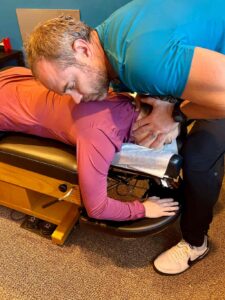
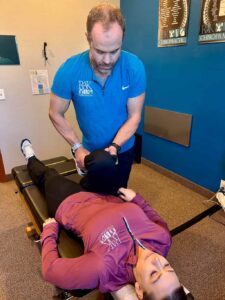
The uneven muscle tension and joint stress that come with scoliosis often respond to gentle adjustments and soft tissue work. Easing that tension can reduce discomfort.
Supporting Mobility
Keeping the joints of the spine moving well helps counter the stiffness that scoliosis can bring. Better mobility tends to mean better comfort and function.
Addressing Compensations
When the body adapts around a curve, other areas take on extra strain. Care that looks at the whole picture, not just the curve, can help manage those knock-on effects. Our chiropractic care page explains this approach.
A Family-Focused Approach
Scoliosis often first appears in kids, and parents naturally have questions about care for a growing child. RAK Chiropractic serves the whole family, from children through adults.
Dr. Katie Layden is CACCP credentialed through the Council on Chiropractic Pediatric Practice, which makes her among the most qualified providers for pediatric care in Rochester. For families navigating a child’s scoliosis alongside their pediatrician, that experience matters.
For adults, the focus shifts toward managing the stiffness and discomfort that a longstanding or age-related curve can bring. Either way, care is built around the individual.
Working Alongside Medical Care
Scoliosis management often involves a team. Moderate and severe curves may be monitored or treated by a physician or specialist, and chiropractic care can complement that, not replace it.
For a curve that needs bracing or medical oversight, coordinating care makes sense. At RAK Chiropractic, we are transparent about when other providers should be part of the picture.
Getting Evaluated in Rochester
If you or your child has scoliosis, or you suspect a curve based on the signs above, an evaluation is the place to start. Understanding the curve and how it is affecting the body is the foundation for any plan.
Curious how chiropractic care fits into managing scoliosis? Contact RAK Chiropractic in Rochester at 507-208-4305 or reach out online.