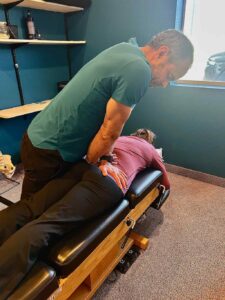

Migraine relief usually comes from two directions: easing an attack when it starts, and lowering how often attacks happen. During a migraine, resting in a dark, quiet room, using a cold compress, staying hydrated, and taking any prescribed medication early can help. For prevention, regular sleep and meals, managing stress, tracking your triggers, and staying active make a real difference. When neck and shoulder tension is one of your triggers, chiropractic care may help some people as part of a broader plan. At RAK Chiropractic in Rochester, MN, we help migraine sufferers manage that piece.
When to Get Emergency Care
Call 911 or go to the emergency room for a sudden, severe headache that feels like the worst of your life, a headache with weakness, numbness, confusion, trouble speaking, or vision loss, a headache with fever and a stiff neck, or a headache after a head injury. See your doctor promptly if your migraines are changing, getting worse, or starting for the first time after age 50, or if you have new headaches during pregnancy.
What Is a Migraine?
Migraine is a neurological condition that often runs in families. Migraine attacks typically last 4 to 72 hours and cause moderate to severe pain. To be diagnosed as migraine, headaches usually have at least two of these features:
- Pain on one side of the head
- Throbbing or pulsing pain
- Moderate to severe intensity
- Pain that gets worse with routine activity, like walking or climbing stairs
They also come with nausea or vomiting, or sensitivity to both light and sound. A diagnosis is usually made after several attacks, once other causes have been ruled out. Migraine is more common in women, and about one in four people with migraines have aura, visual changes like flashing lights or zigzag lines, before the headache starts.
Some people have vestibular migraine, which causes dizziness or vertigo, sometimes with little or no headache. Learn more on our vertigo and dizziness page.
Tips for Getting Through a Migraine Attack
- Act early: if your doctor has prescribed migraine medication, it often works best when taken at the first sign of an attack.
- Find a dark, quiet space: light and noise often make migraines worse.
- Try cold or warmth: a cold compress on the forehead or a warm one on the neck helps some people.
- Hydrate: sip water, especially if you’ve been vomiting.
- Rest: sleep can help some migraines pass.
Tips to Help Prevent Migraines
Know Your Triggers
Common triggers include stress, poor or irregular sleep, skipped meals, dehydration, alcohol, certain foods, bright lights, strong smells, weather changes, and hormonal shifts. Triggers vary from person to person.
Keep a Migraine Diary
Track when migraines happen, what you ate, how you slept, your stress level, and, for women, where you are in your menstrual cycle. Patterns often appear within a few weeks.
Keep a Regular Routine
Going to bed and waking at the same time, eating regular meals, and staying hydrated help keep your brain on a steady schedule, which many migraine sufferers find helpful.
Stay Active
Regular, moderate exercise like walking, swimming, or cycling is linked with fewer migraines for many people. Start gradually if exercise is a trigger for you.
Manage Stress and Tension
Stress is one of the most common triggers, and it often shows up as tight neck and shoulder muscles. Slow breathing, regular breaks, and good posture at your desk can help. Our post on tech neck covers screen-related neck strain.
Watch Pain Reliever Use
Taking pain relievers on many days each month can lead to rebound headaches, which make headaches more frequent. If you’re using headache medication more than about 10 to 15 days a month, talk with your doctor about preventive options.
Where Chiropractic Care Fits
Migraine often benefits from medical care, and your doctor can discuss preventive medications and other treatments. Chiropractic care isn’t a cure for migraine, but when neck and shoulder tension is part of your pattern, gentle chiropractic adjustments, massage therapy, and posture work may help some people have fewer or milder attacks. Research on chiropractic care for migraines is limited and mixed, and results vary from person to person.
For more on headache types, see our guide to types of headaches by location, and learn about our headache and migraine relief care.
Frequently Asked Questions
Can a chiropractor help migraines?
It may help some people, especially when neck tension is a trigger. It works best alongside medical care and lifestyle changes.
What’s the fastest way to relieve a migraine?
Taking prescribed migraine medication early, resting in a dark, quiet room, and using a cold compress help many people. Talk with your doctor about the best plan for you.
When should I see a doctor about migraines?
If migraines are frequent, getting worse, or affecting your daily life, or if you’re using pain relievers often, talk with your doctor. Preventive treatments can help many people.
Migraine Help in Rochester
If migraines are disrupting your life and neck tension seems to play a role, we’d be glad to help. Call RAK Chiropractic at (507) 208-4305 or contact us to schedule a visit in Rochester.